The Front Door Standard: Safeguarding Visitors Without Slowing the Morning

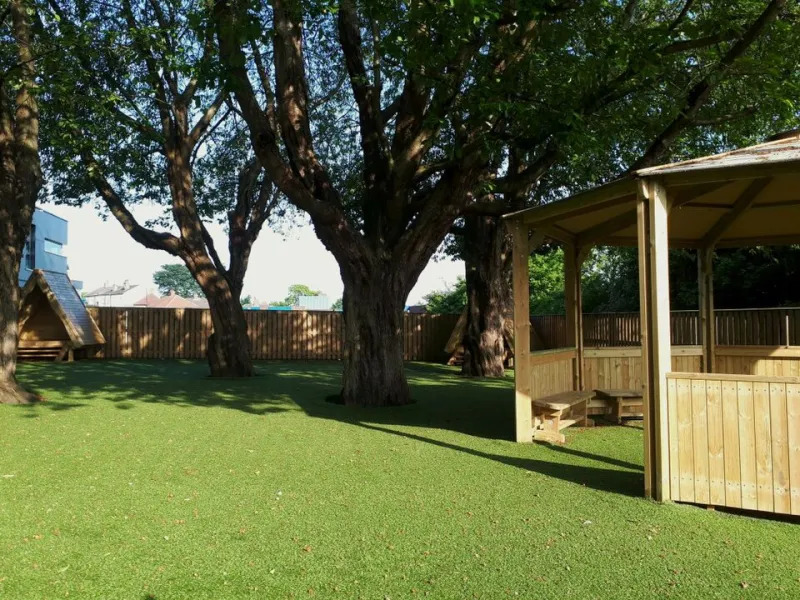
Photo: Thomas Nugent, CC BY-SA 3.0, via Wikimedia Commons
At 8:45 the school office is rarely a quiet place. The telephone is ringing, a pupil has arrived late without a note, a delivery is waiting at the side door and a parent wants to speak to someone before the first bell. In that moment, a visitor policy that looked orderly in a folder can become a series of small omissions. The risk is not usually dramatic. It is the contractor who walks past reception, the badge left on a chair, the expected visitor who arrives early and is waved through.
A one-page visitor standard is not another layer of paperwork. It is a decision aid for the busiest ten minutes of the day. Its purpose is to make safeguarding feel routine, calm and shared, rather than the sole responsibility of one member of office staff.
The morning is the real policy test
Many visitor arrangements are written for a quiet afternoon. They assume the visitor will arrive when reception is free, that the host will be at their desk and that the badge drawer will be stocked. The morning tests all three assumptions at once.
A sensible standard therefore begins with what can be prepared the day before. Expected visitors should be logged with their name, organisation, purpose, time and host. Reception should have that list by 8:15, not be asked to reconstruct it from memory while the phone rings. Unannounced visitors are not a failure of the system; they are part of it. They should follow the same entry checks, with the clear expectation that a host may need time to come to reception.
A one-page visitor standard
The standard can fit on a single laminated sheet at the reception desk and a matching page in the staff handbook. It should cover six points.
-
Pre-arrival notice. Staff book expected visitors in advance and name a host. Reception prints or displays the expected list each morning. Any visitor not on the list is welcomed but processed at the same standard.
-
Identity and badge. Every visitor signs in and wears a visible badge showing their name, date and host. Where identity checks are required for the visitor category, they happen before entry. Badges are not kept in a drawer for regular visitors to collect as they please.
-
Escort and movement. Visitors remain in reception until collected by their host, unless a documented arrangement allows otherwise. Contractors receive the relevant site induction before working. The rule is not about distrust; it is about knowing who is where if the building needs to be cleared or a pupil needs support.
-
Polite challenge. Any member of staff should be able to ask an adult without a visible badge whether they have signed in. The challenge is brief, friendly and directed towards reception, not a confrontation in a corridor.
-
Exit and lost badges. Visitors sign out and return their badge. A lost badge is reported the same day, and reception records the replacement. This is a small control that prevents a stray badge becoming a future blind spot.
-
Weekly audit. A named leader checks a simple set of questions once a week and records any action. The audit is not surveillance; it is a short assurance routine.
Scripts that keep the tone right
The quality of a visitor standard is often decided by the words staff use. A script should be short enough to remember and neutral enough to use with anyone.
- 'Good morning. Are you here to see someone? I will let reception know you have arrived.'
- 'The quickest way to sort that is to sign in at reception. I will ask your host to meet you there.'
- 'I am not able to let you through without a visitor badge, but I can help you arrange one now.'
- 'Thank you. I will walk with you to reception so we can get you booked in.'
For a staff member challenging an adult in a corridor, the tone should be just as ordinary: 'Excuse me, I do not think we have met. Are you visiting today? The office is just this way.' If a visitor refuses to comply, staff should not physically block them. They should alert reception and, where necessary, the designated safeguarding lead or a senior leader. The standard should say who takes that decision, so no one is left improvising.
The ten-minute weekly audit
A weekly check is more useful than an annual review because it catches drift. The person carrying it out should look at five things:
- the expected visitor list against the signing-in book;
- whether badges are visible and in date;
- whether visitors are being collected from reception rather than finding their own way;
- whether unannounced visitors are logged and hosted;
- whether actions from the previous week have been completed.
The record can be a single sheet with a date, initials and a short note. If the same issue appears twice, it is a process problem, not a staff failure. The response might be a reminder at briefing, a second badge clip by the door or a change to how hosts are notified.
Proportionate, not performative
A visitor standard should not turn reception into a checkpoint. The aim is not to make every parent feel suspected or every contractor feel unwelcome. It is to create a predictable routine that protects pupils and staff without adding friction to the day. The best test is simple: could a supply teacher, a new office administrator and a midday supervisor all explain what happens when an unfamiliar adult arrives? If they can, the standard is doing its job.