A Place Before the Paperwork: A Governed Welcome for Mid-Year Pupils

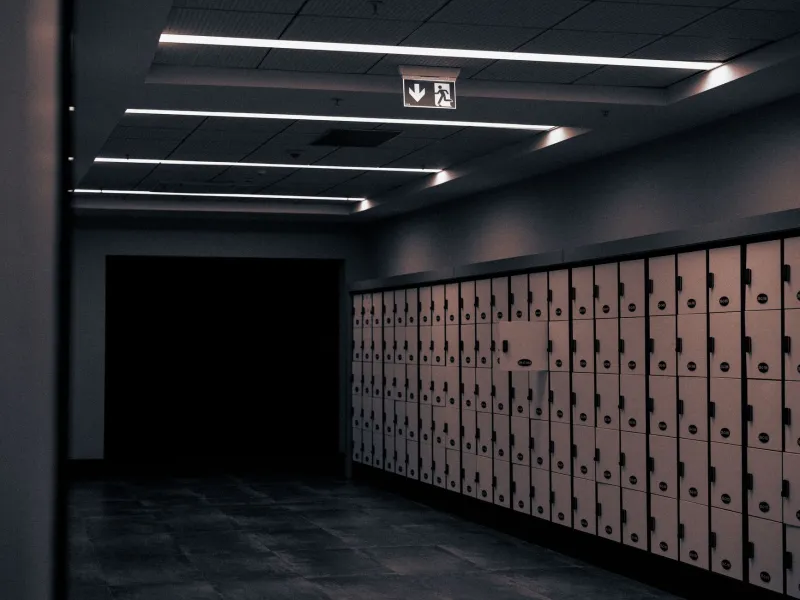
Photo: Richard Sutcliffe, CC BY-SA 2.0, via Wikimedia Commons
As schools move through the autumn term of 2026–27, most classes are settled and routines are established. Yet in every local authority there will be pupils joining a school after the year has begun. A mid-year arrival can follow a house move, a change of placement, a family breakdown, or a return from abroad. The admission is often processed quickly. The welcome, however, needs a rhythm.
For governors, the question is not whether the school can produce a timetable on the first morning. It is whether the school has a reliable process for turning an administrative arrival into a settled start. The following ten-day protocol is deliberately modest. It can be adopted within existing admissions and pastoral systems, and it gives leaders something to monitor without creating a parallel bureaucracy.
Why the middle of the year deserves a planned response
A pupil joining in November or February enters a school where friendship groups have formed, schemes of work are underway and staff are already managing a full term. Small failures can accumulate quickly: a missing login, a timetable that does not quite fit, a lunchtime spent alone. Families may also be under pressure, particularly where the move was not planned or where previous schooling has been disrupted.
This is a governance matter as well as a pastoral one. The school's admissions policy, safeguarding arrangements, equality duties and behaviour systems all meet in the experience of a new arrival. A consistent protocol reduces reliance on individual goodwill and makes it more likely that every pupil receives the same basic offer, regardless of which member of staff happens to be on duty that week.
Before the first morning: a short admission profile
The office will already collect statutory information. The useful addition is a one-page arrival profile completed by the admissions lead and seen by the named adult before day one. It should record the essentials: family contact details, previous school, attendance pattern, any medical or safeguarding information, special educational needs, English as an additional language, and known pastoral concerns.
This is not a full case history. It is a flagging document. Where information is missing, the profile should say so and name the person who will follow it up. The aim is to prevent the first week from becoming a series of avoidable surprises, while keeping the paperwork proportionate to the size of the school.
Days one to five: a named adult and a careful buddy
Every new pupil should be able to name one adult who knows they have arrived and who will check on them. This need not be the head of year. It may be the form tutor, a pastoral support worker or a teaching assistant with capacity. The named adult should make contact on day one, check that the timetable works, and arrange a short conversation within the first 48 hours.
The buddy should be chosen for reliability and social ease, not simply because they are in the same tutor group. A good buddy can explain the small things that no handbook covers: where to queue, when to change books, who to ask about clubs or the bus. Buddy arrangements should be time-limited and reviewed, so that the responsibility does not become a burden or a source of anxiety.
Family contact should also happen within the first two days. A brief call or meeting can establish what has helped before, what the school should know, and how the family prefers to be contacted. It is also an opportunity to confirm practical details such as uniform, equipment, home-school communication and any transport arrangements.
Curriculum baselines should be low-stakes. Formal tests in the first week rarely reveal more than they disturb. Short tasks in reading, writing and mathematics can identify immediate gaps, and subject teachers in secondary schools can contribute brief notes. The pastoral baseline is equally important: sleep, travel, meals, friendships and worries. Keep it conversational and record only what is needed.
Days six to ten: review and next steps
By day ten, the named adult, a phase leader and the pastoral or special educational needs coordinator should meet for around twenty minutes. Three questions are enough. Is the pupil attending and accessing lessons? Does the pupil know who to go to when something is wrong? Does the family know how to contact the school?
Actions should be recorded with an owner and a date. This is not a full review meeting and should not duplicate existing support plans. It is a short checkpoint that catches small problems before they become entrenched. Where concerns are identified, the school's existing referral and support processes should take over.
Keeping governance light but visible
Governors do not need to see individual names. They need assurance that the process is working. A termly summary can report the number of mid-year arrivals, the proportion with a completed arrival profile, the proportion with a day-ten review, and any recurring themes. That information allows the governing body to ask sensible questions without intruding on individual cases.
The admissions policy should be reviewed annually alongside this process. Governors should check that the protocol is applied consistently and that it does not create additional barriers for families who are already under stress. The purpose is assurance, not surveillance.
Practical details that signal welcome
A small welcome pack can make a disproportionate difference: a timetable card, a map, key staff names, login details for the learning platform, and clear expectations about equipment and uniform. These are simple items, but they tell a new pupil and their family that the school has thought about their arrival.
A school cannot remove the disruption that often accompanies a mid-year move. It can, however, make the first fortnight predictable. The test is not the completeness of the paperwork. It is whether a pupil can say, by the end of the second week, that they know who to ask and where they belong.