The Room Between Lessons: A Practical Reset for the School Staffroom
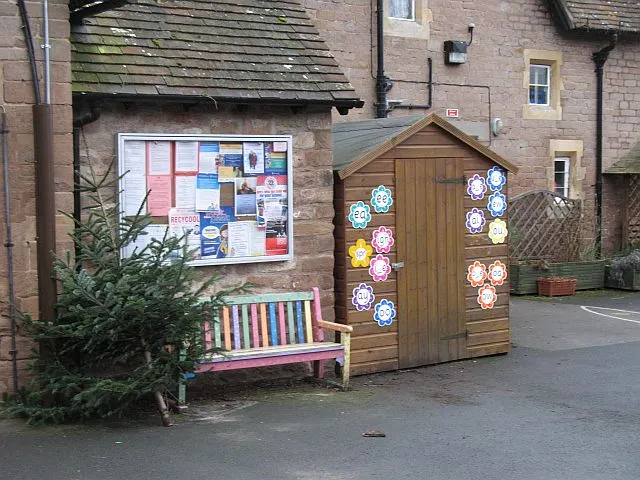
Photo: Richard Webb, CC BY-SA 2.0, via Wikimedia Commons
There is a particular kind of school room that everyone uses and no one owns. It holds the kettle, the notices, the lost property, the out-of-date posters and the chair with the broken arm. It is called the staffroom, and it is often the last space to receive attention when budgets and leadership time are under pressure.
That is a mistake, though not an expensive one to correct. The staffroom is not a luxury. It is the room where teachers and support staff make a cup of tea between lessons, pass on a concern about a pupil, sit down for five minutes after a difficult class or catch up with a colleague they otherwise would not see. If the room is cramped, cluttered and unwelcoming, the message is not neutral. It quietly says that rest and conversation are optional.
This is an argument for a reset, not a refurbishment. Most staffrooms do not need new furniture or a design scheme. They need a clear surface, a sensible layout, storage that works and a small rhythm of review.
Why the staffroom keeps falling down the list
Staffrooms sit outside the usual categories of school improvement. They are not classrooms, so they do not appear in learning walks. They are not offices, so they are not part of the leadership suite. They are not usually a safeguarding priority, a budget line or a governor committee item. As a result, they drift.
The drift is rarely anyone's fault. A box of resources is left there because it has nowhere else to go. A noticeboard fills up because there is no clear owner. A broken chair is moved to the corner rather than repaired. Each small decision is reasonable. Together they produce a room that is harder to use than it should be.
A reset should therefore be modest. The aim is not to create a showpiece. It is to make the room fit for the people who rely on it.
Start with a ten-minute audit
A useful audit can be done in ten minutes, ideally at break or lunchtime when the room is in normal use. Walk in and ask four questions.
- Can someone sit down without moving a pile of papers or a box?
- Can two conversations happen without everyone hearing both?
- Is there a clear place for notices, post and things that need to be passed on?
- Does the room have a working surface for making a drink and preparing a quick snack?
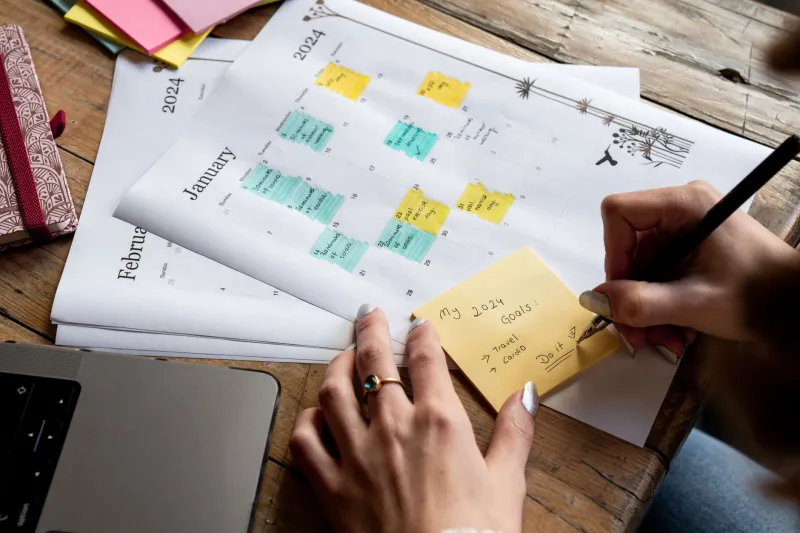
Then ask the people in the room what they would change first. A sticky note and a pen are enough. The answers are usually practical: more hooks, a quieter corner, a shelf for mugs, a bin nearer the door, a noticeboard that is cleared once a week.
The audit should not become a survey. Its purpose is to identify the two or three changes that would make the biggest difference. A staffroom reset that begins with a long consultation and ends with a new sofa is unlikely to solve the underlying problem.
Zone the room, not the people
Most staffrooms are asked to do several jobs at once: a place to eat, a place to talk, a place to work quietly and a place to store things. Without some zoning, the loudest activity wins.
Simple zoning can be created with furniture and signs rather than building work. A table near the window can become a quiet corner, with a small sign that says 'quiet reading or marking' rather than 'silent room'. A larger table can be left for conversation. A notice zone can be placed away from the kettle, so people are not reading notices while holding hot drinks. A clear wall space can be kept for the staffroom charter, the diary of meetings and the names of who to contact about practical issues.
The aim is not to police behaviour. It is to give people permission to use the room in different ways. A teacher who needs ten minutes of quiet should not have to ask a group of colleagues to stop talking. A group having lunch should not feel they are in a library.
Storage that survives a term
Storage is where many staffroom resets fail. A new shelf looks tidy in September and is a pile of unnamed boxes by October. The solution is not more storage; it is clearer storage.
A few low-cost measures tend to work:
- labelled trays for post, notices and resources that need to be passed on;
- a lidded box for lost property, emptied at the end of each half-term;
- a magazine file or wall pocket for leaflets that would otherwise cover the table;
- a small cupboard or shelf for communal mugs, with a rule that personal mugs are taken home;
- hooks or a basket for duty bags and high-visibility jackets, so they do not live on chairs.
The labels should be plain and replaceable. The system should be simple enough that a new member of staff can use it without a tour. The test is not whether the room looks perfect on the day of the reset; it is whether the system still works after a busy half-term.
A review rhythm, not a refurbishment
The most useful thing a school can do for its staffroom is to give it a small, regular review. A fifteen-minute check once a term is enough. Is the noticeboard current? Are the labelled trays being used? Is anything broken? Has the room acquired a new dumping ground? The review should be led by a named person, but it should not become another compliance task.
The staffroom charter can be one page: quiet corner, conversation table, notices in the notice zone, personal mugs home on Friday, lost property cleared each half-term. It should be written with staff, not for them, and reviewed when the room changes.
A small budget can help, but the best improvements are often inexpensive: a working kettle, a clear table, a bin by the door, a lamp in the quiet corner, a noticeboard with a weekly clear-down. These are not grand gestures. They are evidence that the school values the time staff spend together.
The limits of a reset
A staffroom reset will not fix excessive workload or a difficult term. It is not a substitute for proper planning time or a supportive leadership culture. But it is a practical way to make the working day slightly more civil. It gives people a place to pause, to talk and to recover between lessons.
That matters more than it sounds. Schools ask a great deal of staff. The least a school can do is make sure the room between lessons is fit for the people who use it.