Reading the Sky Before the Bell: A One-Page Weather Call Chart for Schools
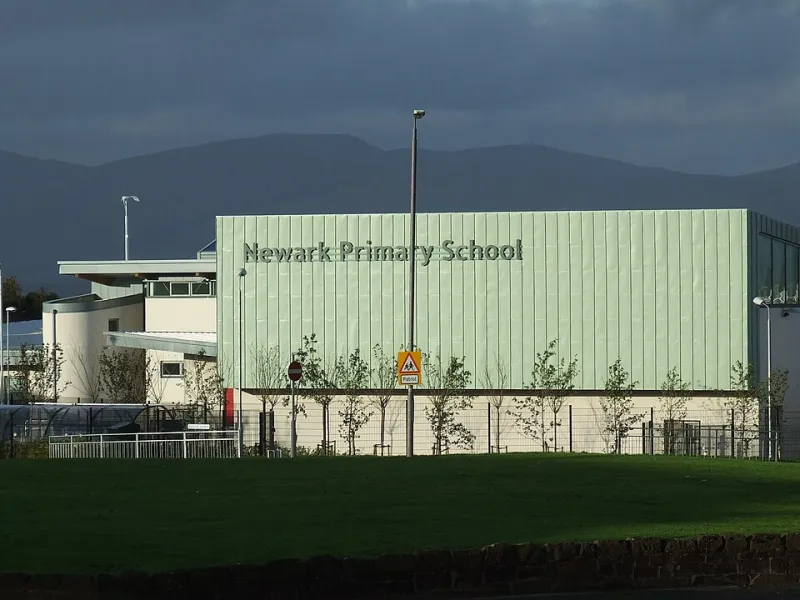
Photo: James Allan , CC BY-SA 2.0, via Wikimedia Commons
A chart, not a forecast
Every school already watches the weather. The difficulty is not noticing the sleet against the window; it is making the same decision at 7.15am that staff will recognise at 11.30am, and that families will understand when they receive a short message. A one-page weather decision chart does not replace a risk assessment. It makes the risk assessment usable on an ordinary, busy morning.
The chart should sit alongside the school's outdoor learning and health and safety policies, not above them. Its purpose is to turn forecasts, warnings and site conditions into a small number of clear calls: outdoor break, sheltered break, indoor break, modified PE, suspended forest school. It should be reviewed each term and after any unusual weather event. In the winter of 2026–27, with energy and staffing pressures still shaping the school day, a chart that prevents repeated ad hoc decisions is a modest but genuine efficiency.
The thresholds that earn a place on the page
A useful chart is short enough to be read in under a minute. The following thresholds are illustrative; each school should confirm them against its site risk assessment, insurer guidance and provider agreements.
| Condition | Practical trigger | Break and lunch | PE and outdoor learning | Forest school and visits |
|---|---|---|---|---|
| Wind | Met Office yellow warning for wind, or gusts forecast near 40 mph where the site is exposed | Indoor or sheltered break; secure bins, cones and loose equipment | Outdoor PE cancelled or moved indoors; no use of exposed courts | Off-site forest school reviewed with provider; woodland sessions cancelled in high wind |
| Ice | Forecast below 0°C, ice warning, or visible ice on paths | Gritted routes only; no field access; indoor areas opened early | Indoor PE; no track or field sessions | Site check before departure; forest school cancelled if routes or tools are unsafe |
| Heavy rain | Persistent rain, standing water or poor visibility | Sheltered areas only; indoor break if supervision allows | Indoor PE or covered session; no field use | Forest school cancelled if streams, paths or shelter are compromised |
| Lightning | Thunder heard, lightning seen, or a Met Office thunderstorm warning | Everyone indoors immediately; no outdoor break | No outdoor PE until 30 minutes after the last thunder | Forest school stopped; groups moved to permanent shelter |
| Heat | UKHSA heat-health alert or forecast of 28°C or above | Shaded breaks, water available, indoor option offered | Reduce vigorous activity; shift PE to cooler parts of the day | Forest school shortened, shaded and water-led; visits reviewed |
| Poor air quality | DEFRA daily air quality index at high or very high | Sensitive pupils kept indoors; outdoor break reduced | Strenuous outdoor PE reduced or moved indoors | Forest school and visits reviewed with provider and families |
The chart should name the source of the trigger, not just the threshold. Staff should know whether the call is based on a Met Office warning, a site inspection, a local authority alert or a provider decision. That prevents a forecast from becoming an argument.
Who holds the call
The headteacher remains accountable, but the operational decision should be delegated in writing to a named senior leader and, in their absence, to a second name. The site manager or caretaker should have a clear role in checking paths, roofs, trees and loose equipment. The outdoor learning or forest school lead should advise on sessions, but should not be left to make a lone judgement at the gate.
A simple decision rhythm helps. The morning call should be made by 7.15am and recorded in the daily log. The lunchtime call should be confirmed by 11.15am. If conditions change suddenly, the same named person makes the revised call and informs the office. The chart should say explicitly that staff should not reopen a decision at the classroom door. Consistency matters more than perfection.
Telling people without a flurry of messages
Communication should be calm and predictable. Staff receive one morning briefing note or display-board update. Families receive one short message through the usual parent channel only when the change affects clothing, collection or a planned visit. A template is enough: 'Today's break will be indoors because of icy paths. Please send indoor shoes and a warm coat. Forest school is cancelled for Year 4; the session will be rearranged.'
The chart should also set out who updates the website and who briefs supply staff. A supply teacher who arrives at 8.30am should not have to infer the plan from a wet playground. The same applies to midday supervisors, who often hold the practical reality of break time. Their briefing should be oral and short.
Indoor alternatives ready before the first gust
A weather chart is only as good as the alternatives behind it. Before the winter season, the school should confirm the hall rota, the wet-break boxes, the library arrangement and the sports hall availability. Forest school leads should have a bank of indoor sessions that still connect pupils to seasonal learning: tool talks, shelter-building theory, knot practice, nature journals or classroom-based fire safety.
PE should have a named indoor contingency that is not simply 'watch a video'. Short circuits, dance, gymnastics, yoga or active classroom challenges can preserve movement without filling the hall at every break. Midday supervisors should know which rooms are open and which adult is responsible. The chart should list these alternatives on the same page, not in a separate folder.
After the weather
When the wind drops or the ice clears, the school should spend five minutes noting what worked. Did the message reach families in time? Was the hall rota usable? Did the forest school provider agree with the call? These notes should feed the termly review of the chart. The aim is not to eliminate weather from the school day. It is to keep outdoor learning alive while protecting pupils and staff from avoidable risk. A one-page chart, reviewed and owned, does that quietly and well.