Clear Signal in Rough Weather: A Practical Protocol for Difficult Parent Conversations
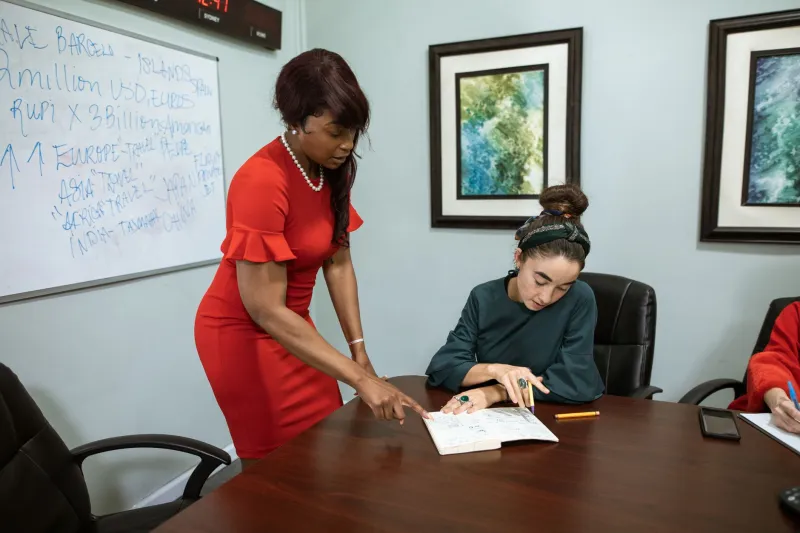
Difficult news does not wait for convenient weather. A parent may need to hear that their child's needs cannot be met in the way they hoped, that a suspension has been issued, that a safeguarding referral has been made, or that a trusted member of staff is leaving. These conversations are rarely easy, but they can be handled well. A protocol does not remove emotion from the room. It gives the school a steady beam to follow when the atmosphere thickens.
Begin with the purpose, not the paperwork
Before deciding who attends or what will be said, the lead professional should be clear about the purpose of the conversation. Is the school informing a parent of a decision that has already been made? Is it consulting before a decision? Is it explaining a process that is outside the school's control? The answer changes the wording, the attendees and the follow-up.
A useful discipline is to write one sentence in the case record before the meeting: the purpose of this conversation is to inform the parent of X, explain Y and agree Z. If that sentence cannot be written plainly, the meeting is not ready. The same record should name the accountable senior leader. Difficult messages should not be left to the least experienced person in the building simply because they have a free diary slot.
Preparation is the quiet part of the protocol
Good delivery is mostly preparation. The lead speaker should gather the facts, the chronology and the evidence that will be referred to. They should check the relevant framework: the SEND Code of Practice, exclusions guidance, safeguarding procedures, employment confidentiality or the trust's own policy. They should agree who will speak, who will take notes and who will manage the practical arrangements.
The room matters more than schools often admit. Use a private, neutral space with no interruptions, water and tissues within reach. Avoid a room that feels like a interrogation, and avoid holding the conversation at the school gate or in a corridor. Check whether the parent needs an interpreter, a communication aid or a supporter. In most cases, two staff members are enough: one to lead and one to record. A larger group can feel intimidating and can make a difficult message harder to hear.
Before the meeting, prepare three things: an opening sentence, the three key points that must be conveyed, and the questions the parent is most likely to ask. Know what can be shared and what cannot. Do not promise confidentiality where safeguarding duties or legal processes make that impossible.
The conversation itself
Use short sentences and clear headings. A structure might run: greeting and purpose; the headline; the explanation; acknowledgement of the reaction; next steps; and how the parent can respond or challenge. Avoid jargon and avoid hiding behind institutional phrasing. The sentence 'the school has decided' is less honest than naming who made the decision and why.
Pause after the headline. Parents need a moment to absorb news before they can process detail. If anger arrives, name it without arguing with it: 'I can see this is extremely upsetting, and I want to make sure you have the full picture.' If new information emerges, say it will be checked and give a date for a response. Do not improvise on matters of policy or law.
In a primary setting, the lead might say: 'I have some difficult news about the support we can offer. I want to explain what has happened, what we are proposing, and what you can ask for.' In a secondary setting, where parents may be more distant from daily school life, the wording may need to be more explicit: 'I need to tell you that a fixed-term suspension has been issued for three days. I will explain the reason, the evidence considered and your right to request a review.'
Who should be in the room
The answer depends on the message. For special educational needs, the SENCO should usually attend. For safeguarding, the designated safeguarding lead should lead or be available. For staffing changes, a line manager or HR adviser may be needed. Governors are not normally part of operational conversations of this kind, although the governing board should be assured that a protocol exists.
Roles should be clear before anyone sits down. The lead speaks; the second member records and observes; neither contradicts the other in front of the parent. If a parent brings a friend or advocate, welcome it. A supported conversation is more likely to be a safe one.
Follow-up in writing
A written summary should follow within one working day. It need not be long. It should record what was discussed, what was decided, what actions were agreed, who owns each action and when the parent will hear more. It should also explain how to raise a concern or request a review. The summary is not a second argument. It is a record that protects the family, the staff and the school.
Where the meeting was tense, offer a short follow-up call with a named contact. Where a formal complaint is likely, signpost the procedure early and keep the tone neutral. Store the record in line with the school's retention schedule and data protection policy.
Keeping the relationship intact
A difficult conversation is not the end of the relationship. It is a test of it. Acknowledge the parent's emotion, affirm the shared interest in the child and avoid demanding agreement. Leave the door open with a specific review point: 'We will speak again on 24 November to see how this is working.' Debrief the staff involved afterwards. If trust has been damaged, consider a neutral third party for the next conversation.
A short checklist helps: purpose agreed; evidence gathered; roles assigned; room and timing confirmed; opening sentence prepared; written follow-up sent; review date set. None of this makes hard news easy. It does make it more likely that the school will be remembered for how it handled the moment, not for how it avoided it.